

Humanitas Research Hospital attend ASH 2024 in representation of GenoMed4All
For another consecutive year, GenoMed4All was present at the ASH meeting in San Diego, thanks to the participation of investigators from Humanitas Research Hospital.
The 66th American Society of Hematology (ASH) Annual Meeting and Exposition, held in California on 7-10 December 2024, showcased the latest research and developments in hematology, serving as a pivotal gathering for hematology professionals from across the globe.
Also in representation of our sister project SYNTEHMA, our shared consortium partner Humanitas Research Hospital presented 6 abstracts that highlighted the transformative potential of artificial intelligence in advancing personalized and precision medicine for hematological diseases.
Through five poster presentations and one conference talk, the Humanitas team, led by Matteo Della Porta, unveiled the work they’ve been developed in the last year:
- ‘Artificial Intelligence-Powered Digital Pathology to Improve Diagnosis and Personalized Prognostic Assessment in Patients with Myeloid Neoplasms’ by Gianluca Asti
- ‘An Artificial Intelligence-Based Federated Learning Platform to Boost Precision Medicine in Rare Hematological Diseases: An Initiative by GenoMed4All and SYNTHEMA Consortia’ by Gianluca Asti
- ‘A Comprehensive, Artificial Intelligence-Based, Digital Twin Platform Based on Multimodal Real-World Data Integration for Personalized Medicine in Hematology’ by Saverio D’Amico
- ‘Generation of Multimodal Longitudinal Synthetic Data by Artificial Intelligence to Improve Personalized Medicine in Hematology’ by Saverio D’Amico
- ‘Enhancing Personalized Prognostic Assessment of Myelodysplastic Syndromes through a Multimodal and Explainable Deep Data Fusion Approach’ by Elisabetta Sauta
The active participation of GenoMed4All and SYNTHEMA at ASH 2024 underscored their commitment to integrating AI into hematology to improve patient outcomes. Engaging with the global hematology community at such a high-profile event facilitated the dissemination of their innovative research findings, fostering discussions on the practical applications of AI in clinical settings.

GenoMed4All at EHA 2024: Reinforcing our commitment to advance innovation in hematology
The European Hematology Association (EHA) Annual Congress is one of the most significant events in the field of hematology, bringing together experts, researchers and industry leaders from around the world.
The 3rd edition of the conference took place in Madrid, on 13-16 June 2024, to provide a closer look at the latest advancements in hematology, particularly around research, treatments and policy. This year’s theme focused on fostering innovation and collaboration to improve patient outcomes, emphasizing the role of cutting-edge technologies in shaping the future of hematology.
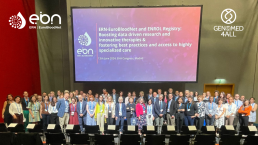
As part of this prestigious event, partners of GenoMed4All and sister project SYNTHEMA participated in a dedicated session organized by ERN-EuroBloodNet, titled ‘Data driven research & Innovative therapies’. María del Mar Mañú Pereira, Head of Rare Anemia Disorders Laboratory at Vall d’Hebron Institute of Research (VHIR), and Raffaella Colombatti, Pediatric Hematologist and Associate Professor at University of Padova, presented the core objectives of both EU-funded initiatives, with a particular focus on the work carried out for the Sickle Cell Disease case study.
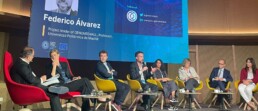
Other GenoMed4All representatives also attended EHA 2024 in Madrid to help disseminate the project’s mission and engage with the broader hematology community, including: Federico Álvarez from Universidad Politecnica de Madrid, Matteo Della Porta from Humanitas Research Hospital, and Diana López from AUSTRALO.
Being present at such a high-profile event is crucial for increasing awareness about our work, and contributing to discussions on the latest scientific and technological developments in the field. Beyond the scientific discourse, EHA 2024 reaffirmed the importance of collective efforts in driving innovation and improving patient care, reinforcing GenoMed4All’s commitment to advancing hematological research through technology-driven solutions.


GenoMed4All partners gather in Barcelona for the project’s 6th General Assembly
On 17 and 18 January 2024, the GenoMed4All consortium met in-person to celebrate its 6th General Assembly in Barcelona. Our partner institution VHIR hosted the two-day meeting at their premises at Hospital Vall d’Hebron, where they warmly welcomed the attending partners who travelled there from all across Europe.
This GA represented a major milestone in the project’s journey — not only it gave partners the opportunity to meet face-to-face and enjoy some networking, but it also laid the foundations for what will be the last year working together as the GenoMed4All consortium. With the project set to finish at the end of 2024, the expectations and enthusiasm levels were at an all time high in Barcelona, as the next months will be crucial to bring together all the different strands of our EU-funded initiative.
GenoMed4All and SYNTHEMA: Paving the way for the next chapter in AI-powered healthcare for hematology
GenoMed4All’s Project Coordinator, Federico Alvarez from Universidad Politecnica de Madrid (UPM), opened the first day of the meeting with a joint session alongside partners from SYNTHEMA — a sister European initiative also exploring the use of artificial intelligence and clinical data to advance precision medicine in hematology.
After highlighting the synergies shared by both projects coordinated by UPM — which had been previously identified during [an online session in October 2023 — Principal Investigator Mar Mañú from VHIR and Scientific Director at ERN-EuroBloodNet took centre stage to introduce the progress made on the use case shared across both projects, focused on Sickle Cell Disease.
On the path to building a revolutionary, cross-European Federated Learning platform for clinical data
The GenoMed4All assembly continued with in-depth presentations by consortium partners leading the 9 work packages that conform the core tasks of the project.
From data privacy, AI user trust, algorithm development, stakeholder engagement and patients involvement, they covered all the key topics feeding into the project’s ultimate goal: to build a cross-European clinical data platform powered by Federated Learning to advance precision medicine in hematology.
Partners also laid out exciting plans for GenoMed4All’s journey as the project enters its last year. In the next few months we will unveil an exciting new series of webinars launched alongside ERN-EuroBloodNet, which marks the second instalment in our Educational Training Program focused on exploring the use of AI in Hematology. For those who missed the first wave, the sessions are available to watch on-demand on our YouTube channel.
On the technical side, the consortium will be dedicating their efforts to tackle 3 main priorities: finishing up the internal set up of remaining Federated Learning nodes, planning for the onboarding of clinical partners into the platform, and co-designing a sustainability plan as GenoMed4All evolves into its next phase through SYNTHEMA.
We look forward to continue working together to shape a new era of precision medicine for hematology through the power of AI and genomics.
Follow GenoMed4All on LinkedIn and X.


Hematology, AI and patient data: exploring synergies between GenoMed4All and SYNTHEMA
Cross-European collaboration and knowledge sharing is one of the core principles of all EU funded projects, and even more so when more than one initiative is dedicated to the same area of work, as it’s the case for SYNTHEMA and GenoMed4All: two projects focusing on the use of Artificial Intelligence within the context of healthcare and personalised medicine applied to hematological rare diseases.
While GenoMed4All is building a secure and trustworthy Federated Learning platform to pool genomic health data via AI algorithms, SYNTHEMA aims to generate reliable and high-quality synthetic data that can shape new virtual patients — and further enhance diagnostic capacity, assess treatment options and predict outcomes in rare hematological diseases.
On 28th September 2023, both consortiums hosted a joint meeting to explore synergies and gain a better understanding about the connections of their work, and the potential transfer of knowledge between the projects. Through 5 rapid-fire talks, representative partners involved in both projects presented their latest achievements for SYNTHEMA and GenoMed4All — and how they feed into each other. In this article we unpick the lessons learned and the knowledge shared during the session.
Introducing SYNTHEMA and GenoMed4All | Federico Álvarez
As the Project Coordinator for SYNTHEMA and GenoMed4All, Professor Federico Álvarez kicked off the session with a quick introduction to the two projects, highlighting the key elements shared across both.
- A common goal: led by Federico and his team at Universidad Politécnica de Madrid (UPM), both projects have been created with a clear mission: to develop an innovative approach to effectively use AI models to advance research and improve the standard of care in hematological rare diseases, and therefore contribute to advance the diagnosis and treatment of patients that suffer from those.
- A common network of partners and supporters: some of the 16 partners involved in SYNTHEMA and the 23 in GenoMed4All are involved across both initiatives, and they also count on the support, resources and active participation of ERN-EuroBloodNet, the European Reference Network in Rare Hematological Diseases. This wide network of stakeholders makes it possible for the consortiums to benefit from a multidisciplinary approach towards achieving the goals stated for both initiatives.
- A common case study: each project is focusing on real-world use cases to test how these AI models can help to solve unmet needs of specific hematological diseases: Acute Myeloid Leukaemia (AML) in the case of SYNTHEMA, and Myelodysplastic syndromes (MDS) and Multiple Myeloma (MM) for GenoMed4All. Moreover, both projects are also targeting Sickle Cell Disease (SCD), a rare, chronic and life-threatening disease that affects more than 20 million people worldwide.
Federico closed his presentation stating that the ultimate shared goal is to understand rare hematological diseases and tackle their unmet needs by harnessing the power of AI:
“Both projects are making impressive progress in this groundbreaking area of work, and SYNTHEMA is even going one step further trying to generate synthetic data through AI algorithms. We’re seeing very important outcomes towards advancing the usage and management of private patient data.”
Legal and ethical data compliance | Nathan Lea
As Information Governance Lead at The European Institute For Innovation Through Health Data (i~HD), Nathan Lea’s involvement in SYNTHEMA and GenoMed4All is focused on detecting the potential issues and challenges around the ethical use of data obtained through AI-methods, and how these can be extrapolated to wider usage in Europe and around the world.
“Both initiatives have strongly emphasized the need to understand the risks related to data compliance. We have developed data protection management protocols and risk assessments plans, which have been positively received by the European Commission and all stakeholders involved in the projects,” he explained.
Nathan also highlighted the importance of sharing the learnings and outcomes from both projects with other similar initiatives, especially those operating within the healthcare and patient data management landscape.
“We have developed strong knowledge in research governance and data reuse, and we have to make sure the consistencies are capitalised across both projects. With the templates and the frameworks we’re generating, we can present a unified approach to inspire others and expand on the successes achieved by SYNTHEMA and GenoMed4All.”
Nathan finished his presentation reminding all partners that these projects operate in a highly regulated space, therefore we need to be fully transparent about our goals and the ways in which we intend to use the data gathered:
“Both projects are tackling challenges related to rare disorders, where data needs for AI are not always well served, and are particularly prone to issues around bias, inclusivity and representation. This means caution, transparency and a strict interpretation of regulatory matters is essential.”
Precision medicine, AI, validation and analytics | Gastone Castellani and Marilena Bicchieri
Gastone Castellani, Professor in Medical and Surgical Sciences at Università di Bologna, is one of the partners involved in GenoMed4All and SYNTHEMA. He began his presentation stating the clear synergies between the two projects and also emphasized how they are crucially contributing towards the legacy of HARMONY, the Healthcare Alliance for Resourceful Medicine Offensive against Neoplasms in Hematology.
From a practical standpoint, Gastone also celebrated the data gathering approach adopted by the use cases, especially in relation to building a ‘generic’ pipeline:
“From a mathematical point of view, this means sufficiently abstract data can be used for a lot of different use cases. The most important point is the clustering and survival analysis,and the search of causal relationships between genes. I’m glad to say we have published several papers using this pipeline,” he explained.
Marilena Bicchieri, Healthcare Project Manager at Humanitas Research Hospital, shared similar reflections alongside Gastone. She also pointed out the complexities of personalised medicine in regards to the availability of big data:
“Personalised medicine allows us to study humans from multiple layers, but it’s very difficult to have all this data for a single patient; this is why there is a huge need to develop synthetic data via machine learning, as this will allow us to clearly identify clusters,” she adds.
Marilena also accentuated the need to scale up all these algorithms for other rare diseases, on top of the use cases that have already been appointed by GenoMed4All and SYNTHEMA.
“A big problem is the validation of these methods. We are working to use several approaches, but we still need to tackle the main issues around validity, fidelity, utility and privacy. We have to put our patients’ needs and rights above anything else, to make sure we’re conducting our work ethically and with integrity, and to make sure we’re providing healthcare professionals with the right tools and strategies to build trustworthy AI mechanisms,” she said.
Sickle Cell Disease as a use case | Mar Mañú
Following up from the key points presented by Gastone and Marilena, Mar Mañú, Principal Investigator from Vall d’Hebron Institute of Research (VHIR), expanded on the challenges faced by practitioners and researchers gathering health data to study rare diseases.
”Diseases like SCD are chronic, which means we need lifelong data collection from patients and, therefore, resulting us having to build very complex pathways - it’s very difficult to have all this dataset from the same patient,” she mentioned.
Another key issue, as Mar explained, is the way this data is heterogeneously distributed in Europe, impeding researchers from accessing large enough amounts of data to fully understand SCD and the potential treatments.
“We’ve advanced a lot in the last 15 years, but what we’re building through SYNTHEMA and GenoMed4All at a European level gives us a real chance to continue studying the disease and eventually come up with innovative approaches,” she added.
Federated learning and architecture | Silvia Uribe
In her enlightening presentation on Federated Learning and Architecture, Professor Silvia Uribe, from Universidad Politécnica de Madrid (UPM) delved into the complexities of designing and deploying asynchronous distributed systems. She emphasised the importance of having the right infrastructure, including a CI/CD tool and a dev environment, to streamline development, integration, testing and deployment of these systems. Silvia highlighted that while High-Performance Computing (HPC) isn't essential for parameter aggregation, it aids in data transformation, especially when converting multimodal data into tabular forms.
The presentation also drew parallels between SYNTHEMA and Genomed4All, detailing overlaps in data collection for MDS/AML use cases, including demographic, clinical, and genomic variables. Furthermore, Silvia underscored the significance of data transformation, as well as the challenges in data collection and standardization. She concluded with an overview of the legal and ethical aspects, noting the similarities between the two projects but highlighting that SYNTHEMA, unlike Genomed4All, aims to produce synthetic data in addition to disease discovery.
The SYNTHEMA and GenoMed4All consortiums would like to thank all partners for participating in this joint session! We all look forward to meeting in Barcelona in January 2024 and continue working together to build the next generation of healthcare for rare disease patients.

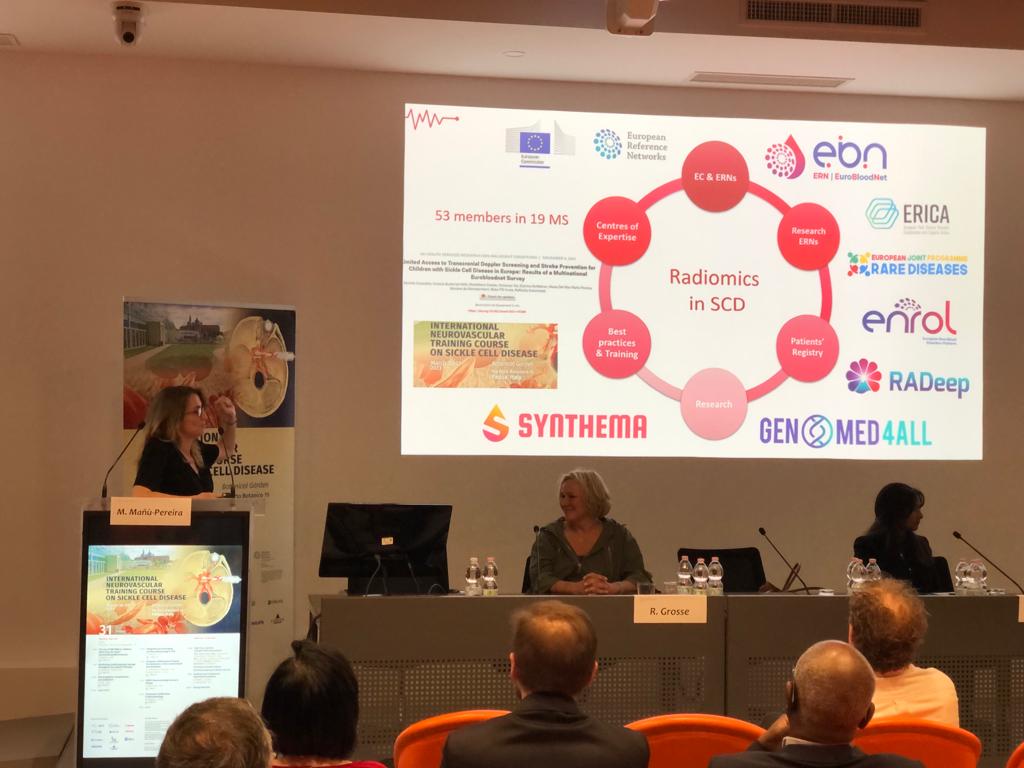
Radiomics in SCD - GenoMed4All at the International Neurovascular Training Course on SCD
GenoMed4All has been featured along with sister project SYNTHEMA at the International Neurovascular Training Course on Sickle Cell Disease -held in Padua last week- as one example of ERN-EuroBloodNet's European Collaborative Projects for radiomics in SCD. Many thanks to our colleagues Mar Mañú (VHIR) and Raffaella Colombati (UNIPD) for a job well done!

GenoMed4All at ETSISI UPM
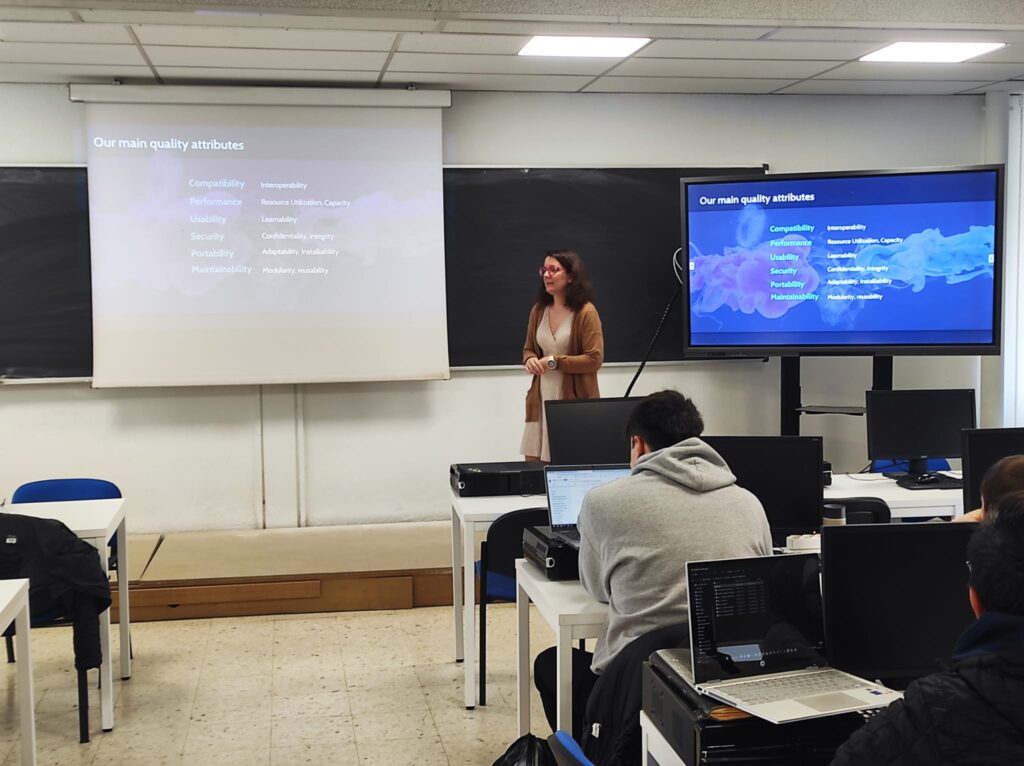
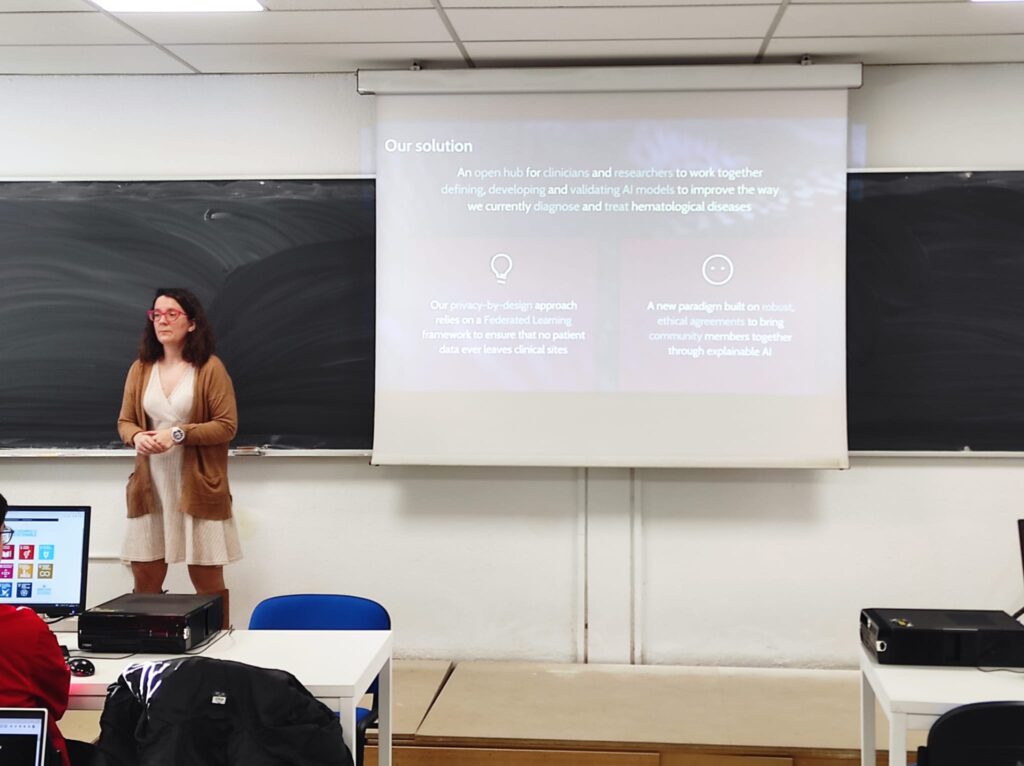
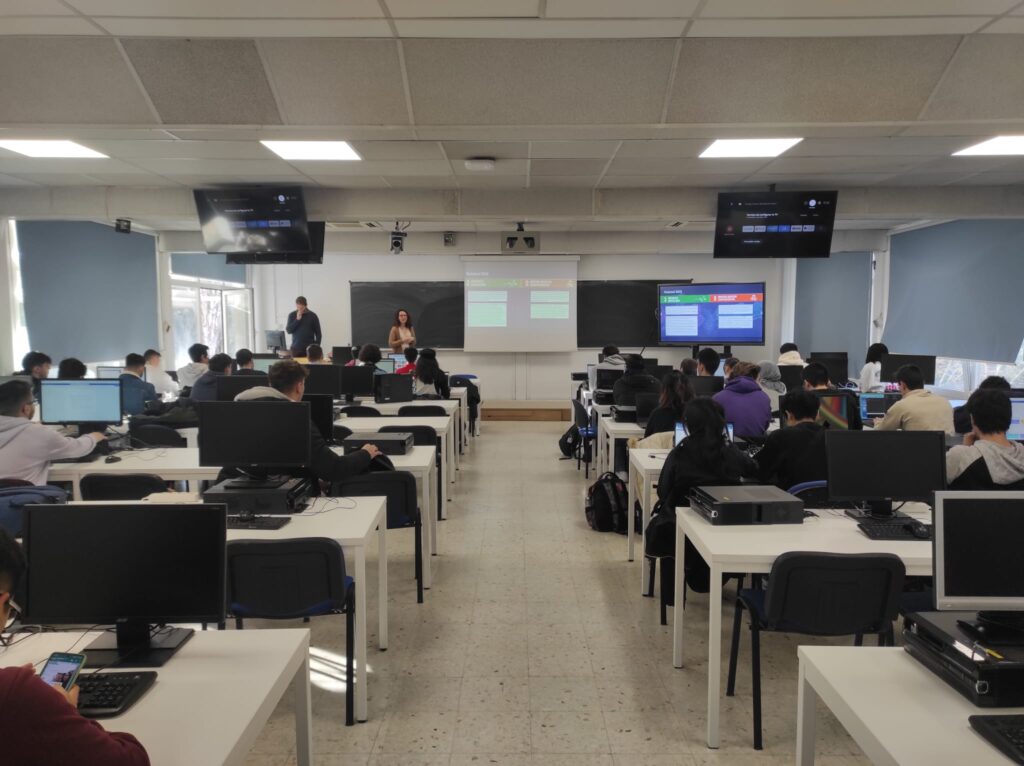
Last week, our colleague Silvia Uribe from UPM officially presented GenoMed4All at Escuela Técnica Superior de Ingeniería de Sistemas Informáticos (ETSISI), within UPM's computer science and software engineering degree.
Silvia, who is currently leading the development efforts of GenoMed4All's Federated Learning platform, also supervises lectures on the subject of architecture and software design at UPM. And such, she dedicated 2 sessions (in English and Spanish) to introducing real-world initiatives leveraging cutting edge technological infrastructures -like GenoMed4All- to her students.
Over 110 students attended the sessions and she's already collected some expressions of interest to actively collaborate in the project - take a look at the pictures below!

GenoMed4All at ASH 2022 New Orleans
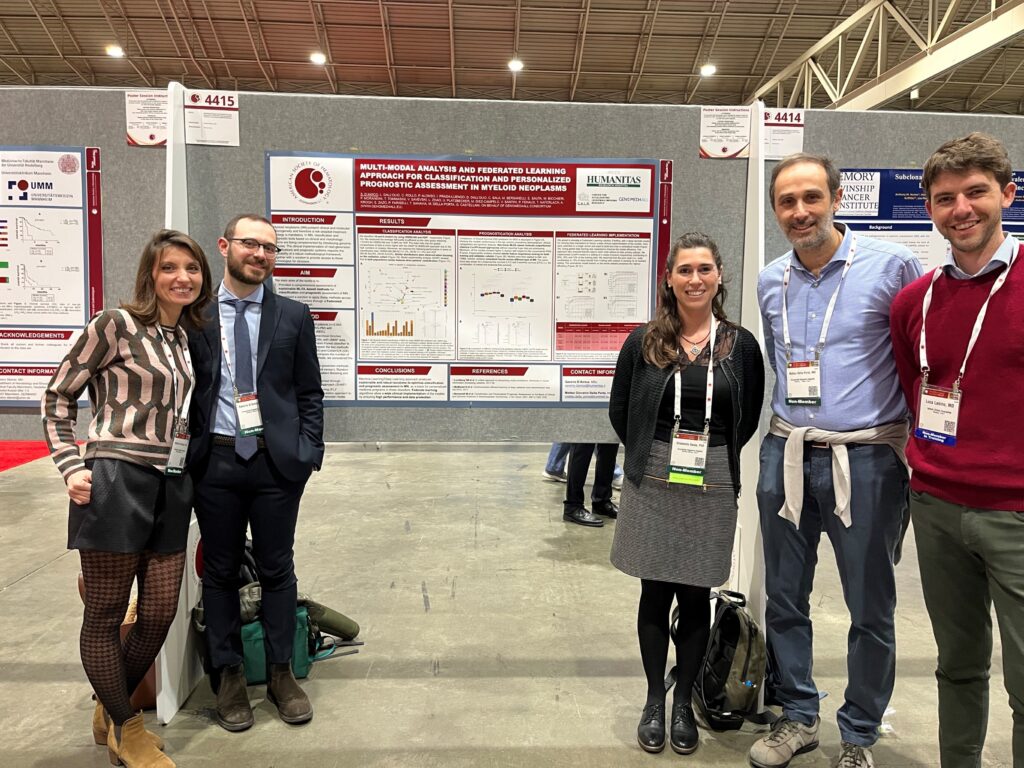
Last December some members from GenoMed4All's clinical team travelled all the way to New Orleans for the 64th Annual Meeting and Exposition of the American Society of Hematology.
GenoMed4All was featured there as a showcase of the work currently going on within our use cases. We had the opportunity to present a poster and present our research in an oral presentation. Take a look:
- The foundation of our oral presentation: Real-World Validation of Molecular International Prognostic Scoring System (IPSS-M) for Myelodysplastic Syndrome
- The full text making up our poster: Multi-Modal Analysis and Federated Learning Approach for Classification and Personalized Prognostic Assessment in Myeloid Neoplasms
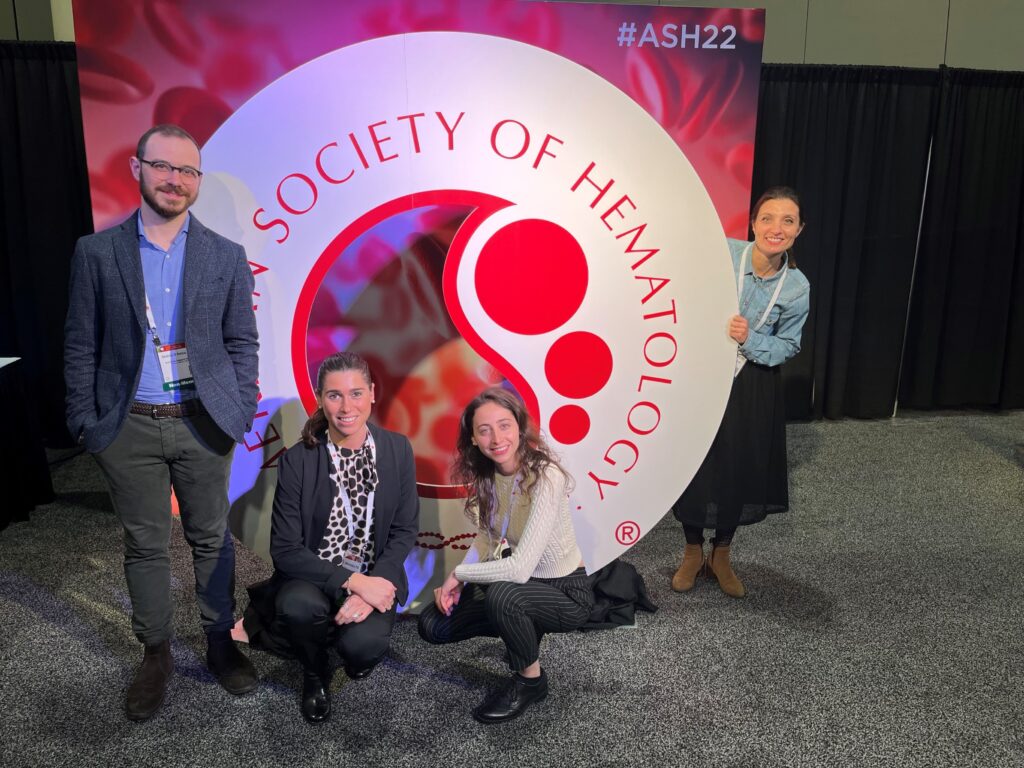
And as a treat, scroll down to see our teammates from Humanitas just having a great time at ASH 2022!



GenoMed4All in the spotlight - A webinar on AI and Genomics
Last week, Iñaki Galera and Víctor Mateos -our colleagues from Dedalus- participated in an open webinar on Artificial Intelligence and Genomics.
There, they kindly introduced GenoMed4All and walked the audience through the basics of genomic data, the importance of rare disease research and the core technical pillars of our project.
For our Spanish speakers: feel free to revisit the webinar in the full recording below!
GenoMed4All at the IUBMB Focused Meeting - Hemoglobin Switching Conference
This month has been a busy one! Early in May, GenoMed4All participated in the IUBMB Focused Meeting - Hemoglobin Switching Conference, a reference event for scientific exchange and dialogue on globin gene regulation and pathophysiology.
The Sickle Cell Disease (SCD) team proudly presented a poster showcasing the work done so far, titled: "GenoMed4All: Artificial Intelligence-based Deep Learning algorithms for patients with Sickle Cell Disease". Our colleague Petros Kountouris -from The Cyprus Institute of Neurology & Genetics- was there on behalf of the project and reports that there was a lot of interest from the participants in these specific results.
Congratulations to everyone involved! You can check out the poster here at our Zenodo repository.
Authors: A.Idrizovic, S. van der Veen, M. D. M. Mañú-Pereira, A. Collado Gimbert, R. Colombatti, M. P. Boaro, P. Bartolucci, M. de Montalembert, M.H. Cnossen, B.J. Biemond, M. Kleanthous, E.J. van Beers, P. Kountouris
GenoMed4All at Expo Dubai 2020
A few weeks ago we were invited by the European Commission and InTouchAI.eu –the International Outreach Office on human-centric AI– to participate in the EU AI Week (14-18 March 2022) at Expo Dubai, as a way to showcase European Excellence and Trust in Artificial Intelligence around the world.
In the frame of this high-level event, InTouchAI.eu hosted a series of sessions on the European approach to AI. One of these events was the Expert Workshop on AI for Health, in which our coordinator, Federico Álvarez, participated as a panelist. He was also accompanied by representatives from 2 other EU-funded projects: DIH-HERO and EuCanImage.
The panel focused on practical examples of European AI excellence in the healthcare sector and discussed the practical implications of AI in healthcare, mostly on how to reconcile social and ethical aspects in a human-centric approach to AI that upholds our European values. After the official round of introductions and a brief overview of the guest projects, the panelists engaged in open discussion. Federico's interventions focused on the concept of federation and how we understand it in GenoMed4All. We are dealing with very sensitive data (namely genomics, imaging and clinical data), while also operating in the realm of rare diseases, which inevitably adds another layer of complexity to the search for new AI models and patterns in hematological disorders.
[on]... the concept of federation, we go a bit beyond, we do Federated Learning. [...] Would any of you like to share your genomic information openly? Maybe not. But if we do it in a way that this information stays in the hospital where the patient gave their consent, then we can create a big network and this [...] for hematological diseases is really important, because they are rare: there are not so many cases in Europe, so we want to connect all the repositories.
Apart from data scarcity and fragmentation, another great challenge to be mindful of is the issue of data sharing and cross-border exchanges of health data. While cautious, Federico remained hopeful on this front:
[...] We are working on ethics and legal protection, and what I find interesting is that if we want to cooperate outside Europe, we already know how to, we can export that to the rest of the world, and they can join this federated infrastructure. It's not an issue! Engineers will find a way of coping with models that can exchange cross-border data in a way that can preserve privacy, data protection and our European values. Another point we think is relevant is the standardization of genomic information, so we also want to find a way for people to cooperate with the same standards on their research.
When asked about the long-term sustainability of the project, Federico presented our vision for GenoMed4All's platform and how this privacy-by-design approach will be fundamental to scale up and onboard more and more clinical sites through distributed algorithms. The challenge, as always, lies in how to effectively transform research breakthroughs into solutions with clear clinical usability and fully compliant with current regulations so that AI can have a real, positive impact in the lives of so many European patients.
[The key is in] ...really connecting all these different hospitals, clinics... places where we can find this data, especially for some diseases that are not so common, and [...] on how to transition from researchers doing something that is valuable to bringing something to the hospitals that will work and be adopted, so that finally European patients can benefit from AI.
All in all, this event was the perfect opportunity to present our views on AI and its potential to drive the future of personalized medicine in hematological diseases and it was an honour to share the stage with some fantastic experts. Check out the workshop livestream below for the full experience!